West Loop & Fulton Market Commercial Space
Chicago’s most dynamic business district has transformed from meatpacking warehouses into the city’s premier destination for tech companies, creative agencies, and innovative brands. With Google and McDonald’s anchoring the neighborhood, Fulton Market offers unmatched energy for businesses seeking to attract top talent in a vibrant urban setting.
Schedule Free Consultation Call (312) 840-9002West Loop & Fulton Market: Chicago’s Innovation District
The Transformation: Twenty years ago, Fulton Market was a working meatpacking district with few businesses beyond food processing and distribution. Today it’s Chicago’s most sought-after commercial real estate market, experiencing explosive growth that has fundamentally reshaped Chicago’s business geography. Google is constructing a 1 million square foot Midwest headquarters along the Chicago River. McDonald’s relocated its global headquarters to a striking new building at 110 N Carpenter Street. Mondelez International, Dyson, WPP, and over 200 tech and creative firms have followed, creating an innovation ecosystem that rivals San Francisco’s SOMA and New York’s Meatpacking District.
Commercial Space Options: The West Loop accommodates virtually every commercial property type. Office space ranges from $35-70 per square foot annually depending on building class and finish level. Retail and restaurant space along Randolph Street commands $50-85/SF for prime visibility. Medical office space in mixed-use developments runs $45-60/SF. Warehouse and light industrial space—increasingly rare as conversions continue—ranges from $8-15/SF NNN for functional space west of Ashland. Land for development has become extraordinarily valuable, with sites commanding $200-400+ per square foot depending on zoning and density allowances.
Why Companies Choose Fulton Market: Talent attraction is the primary driver. The neighborhood’s 32,000+ residents skew young, educated, and affluent—median household income exceeds $125,000 and over 75% hold bachelor’s degrees. These same demographics characterize the employees that tech, creative, and professional services firms compete to hire. The West Loop’s walkable streets, acclaimed dining scene, craft cocktail bars, boutique fitness studios, and urban energy create an environment where companies can recruit talent that would never consider a suburban office park.
From Meatpacking District to Tech Mecca
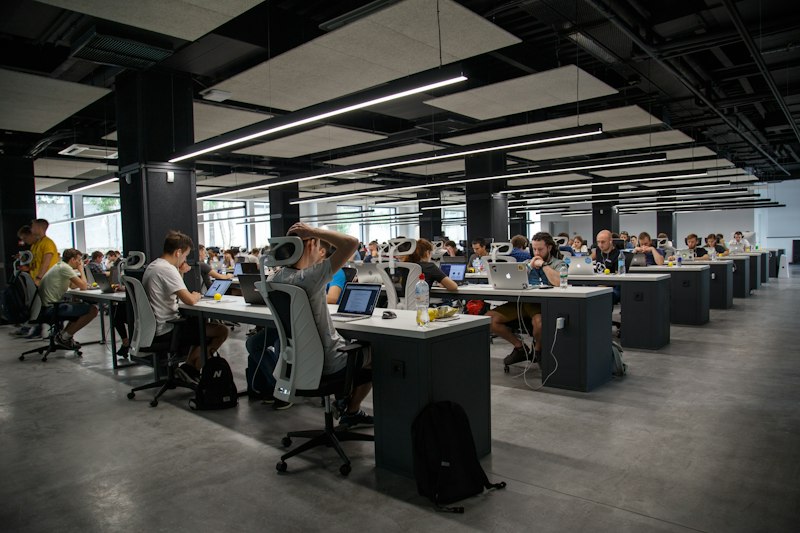
The West Loop’s transformation represents one of the most dramatic neighborhood evolutions in American commercial real estate history. What began as a gritty meatpacking district dominated by wholesale food distributors, cold storage facilities, and industrial operations has become Chicago’s premier address for innovation-driven companies. The neighborhood retains its industrial character—cobblestone streets, brick warehouses, and utilitarian architecture—while adding sleek glass towers, world-class restaurants, and luxury residential developments.
This combination of authentic industrial heritage and modern amenities creates commercial space unlike anywhere else in Chicago. Companies relocating to Fulton Market aren’t just securing office space—they’re making a statement about their culture and values. The neighborhood attracts employees who value urban energy over suburban parking lots, craft coffee over corporate cafeterias, and exposed brick over dropped ceilings. This cultural positioning has made Fulton Market essential for companies competing for young talent in technology, marketing, design, and professional services.
The commercial real estate market reflects this positioning. Trophy office buildings command Chicago’s highest rents outside the traditional Loop financial district. Retail storefronts along Randolph Street’s Restaurant Row attract acclaimed chefs from around the world. Even functional industrial space commands premiums as the shrinking supply struggles to meet demand from food producers, breweries, and makers who serve the neighborhood’s restaurants and residents.
Beyond the headline-grabbing corporate relocations, the West Loop has developed a rich ecosystem of mid-size companies, startups, creative agencies, and professional services firms. This diversity creates networking opportunities, talent mobility, and the creative collision that characterizes successful innovation districts. Your neighbors aren’t just potential customers—they’re potential partners, collaborators, and sources of your next great hire.
West Loop Demographics & Transportation
Understanding the market dynamics that drive commercial real estate decisions
Population & Demographics
The West Loop has experienced explosive residential growth alongside its commercial transformation. The neighborhood’s population has more than tripled since 2000, creating a dense customer base for retail, restaurant, and service businesses while providing a local talent pool for employers.
- Resident Population 32,000+
- Median Age 33 years
- Median Household Income $125,000+
- Bachelor’s Degree or Higher 75%+
- Daytime Working Population 85,000+
- Annual Residential Growth 4-6%
Business & Employment Profile
The West Loop’s business community has diversified from its food industry roots to encompass technology, creative services, professional services, and hospitality. Major employers anchor an ecosystem of mid-size companies and startups.
- Major Corporate HQs 15+
- Tech & Creative Firms 200+
- Restaurants & Bars 150+
- Food Production Facilities 50+
- Office Space Inventory 15M+ SF
- Avg. Office Vacancy 18-22%
Transportation & Accessibility
CTA Green Line
Morgan, Clinton, Ashland stations. Direct downtown access and south/west side connections.
CTA Pink Line
Morgan, Ashland stations. Loop access and southwest Chicago neighborhoods.
CTA Bus Routes
Madison (#20), Chicago (#66), Halsted (#8). Extensive neighborhood coverage.
Expressway Access
I-90/94 Kennedy via exits at Madison, Washington. I-290 Eisenhower nearby.
Divvy Bike Share
25+ stations throughout neighborhood. Protected bike lanes on major streets.
O’Hare Access
35 minutes via Blue Line from nearby Clinton. Kennedy Expressway alternative.
Midway Access
25 minutes via Orange Line from Loop transfer or rideshare via I-55.
Parking
Structured parking in major buildings. Surface lots diminishing. $200-350/month reserved.
Commercial Property Types in West Loop
From trophy office towers to functional warehouse space, the West Loop accommodates diverse business requirements
Office Space
The West Loop offers Chicago’s most diverse office inventory. Trophy new construction and premier renovated buildings attract corporate headquarters and prestigious professional services firms. Creative office space in converted warehouses provides character-filled environments for tech companies, agencies, and startups. Class B buildings offer value-oriented options while maintaining the neighborhood’s urban energy.
Trophy buildings feature floor-to-ceiling glass, efficient floor plates, and premium amenities including fitness centers, conference facilities, and rooftop terraces. Converted warehouse buildings offer exposed brick, timber beams, high ceilings, and the authentic industrial character that attracts creative tenants.
Retail & Restaurant Space
Randolph Street’s Restaurant Row has established the West Loop as Chicago’s premier dining destination, with over 50 acclaimed restaurants including multiple Michelin-starred establishments. This culinary concentration creates exceptional foot traffic and customer density for retail, food service, and consumer-facing businesses.
Ground-floor retail space in new mixed-use developments attracts national brands and innovative concepts. Restaurant space requires appropriate ventilation, grease traps, and utility infrastructure—we help identify spaces with existing restaurant buildout or appropriate infrastructure for new construction.
Medical Office Space
The West Loop’s residential growth has created demand for healthcare services, though dedicated medical office inventory remains limited. Most medical practices locate in mixed-use developments with appropriate zoning, ADA accessibility, and infrastructure for healthcare operations.
The affluent, health-conscious demographic supports premium medical services including concierge medicine, dermatology, cosmetic procedures, dental practices, physical therapy, and mental health services. Proximity to Rush University Medical Center creates opportunities for specialist practices.
Warehouse & Industrial Space
Functional warehouse and light industrial space has become increasingly scarce as building owners convert properties to higher-value office and residential uses. Remaining industrial inventory concentrates west of Ashland Avenue, though even this area faces development pressure.
Food production facilities, cold storage operations, brewing and distilling, commercial kitchens, and light manufacturing continue operating in purpose-built or adapted industrial buildings. Ceiling heights typically range from 14-24 feet with truck-level or grade-level loading.
Creative & Flex Space
The boundary between office and industrial space has blurred in the West Loop, creating “flex” spaces that accommodate diverse uses. Photography studios, showrooms, event venues, maker spaces, and hybrid office/production facilities occupy converted industrial buildings throughout the neighborhood.
These spaces typically feature open floor plans, high ceilings, freight elevators, and flexible infrastructure that accommodates changing uses. Many creative tenants value the ability to host events, display products, and operate unconventional businesses that traditional office buildings prohibit.
Development Land
Developable land in the West Loop has become extraordinarily valuable as the neighborhood’s transformation continues. Remaining parcels command premium prices reflecting the area’s strong demand fundamentals and development potential. Most available sites require assemblage or adaptive reuse of existing structures.
Zoning allows significant density in much of the West Loop, with Planned Development designations enabling mixed-use projects combining office, residential, retail, and hospitality uses. We track available development opportunities and can connect users with investment sales specialists for acquisition.
West Loop Commercial Real Estate Services
Expert tenant representation for office, retail, medical, industrial, and creative commercial space
Commercial Property Search
Access every West Loop listing from trophy towers to character warehouse conversions to functional industrial space. We search the entire market—including off-market opportunities and corporate subleases—to find commercial space matching your specific requirements, culture, and budget.
Lease Negotiation
West Loop landlords command premium rents—skilled negotiation matters significantly. We leverage competing options, market data, and landlord motivations to secure favorable terms including rent abatement, tenant improvement allowances, expansion options, and flexible lease structures.
Retail & Restaurant Leasing
Fulton Market’s restaurant scene attracts concepts from around the world. We help restaurateurs, retailers, and specialty food businesses find appropriate commercial space with the visibility, infrastructure, ventilation, and lease terms necessary for success in Chicago’s most competitive market.
Why Businesses Choose Fulton Market
Talent Attraction & Retention
Young professionals want to work in vibrant, walkable neighborhoods with acclaimed dining, fitness options, and urban energy. The West Loop’s lifestyle amenities help companies recruit and retain top talent who reject suburban office parks and sterile corporate environments.
Innovation Ecosystem
With Google, McDonald’s, and 200+ tech and creative firms, Fulton Market creates networking opportunities, talent mobility, and the creative collision that drives innovation. Your neighbors are potential partners, collaborators, investors, and sources of your next great hire.
Authentic Industrial Character
Exposed brick, timber beams, cobblestone streets, and industrial heritage provide workspace with soul and authenticity. Converted meatpacking buildings offer creative commercial space that generic office towers and suburban developments simply cannot replicate.
Culinary & Social Scene
Randolph Street Restaurant Row, craft cocktail bars, boutique hotels, and rooftop venues provide endless options for client entertainment, team gatherings, investor meetings, and after-work networking. The neighborhood works as hard as it plays.
Neighborhood Amenities & Lifestyle
The West Loop’s amenity density rivals any neighborhood in Chicago. Within walking distance of virtually any office location, employees and visitors find acclaimed restaurants, specialty coffee roasters, boutique fitness studios, craft cocktail bars, boutique hotels, and diverse retail options. This concentration of amenities drives the neighborhood’s appeal for talent attraction and client entertainment.
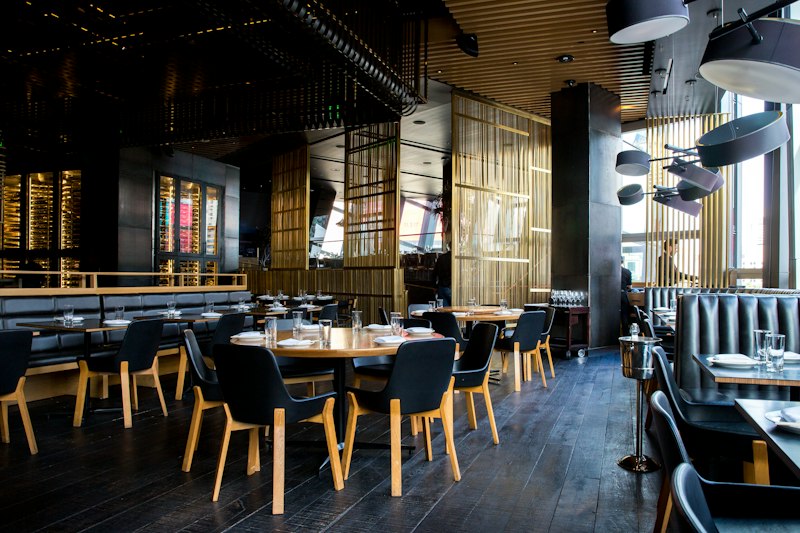
Dining: Restaurant Row along Randolph Street features over 50 acclaimed restaurants including multiple Michelin-starred establishments. Girl & The Goat, Avec, The Publican, Oriole, and dozens of other nationally recognized restaurants make the West Loop Chicago’s premier dining destination. The neighborhood also supports diverse casual dining, fast-casual concepts, coffee shops, and food halls serving the daytime working population.
Fitness & Wellness: Boutique fitness options include Equinox, Barry’s Bootcamp, SoulCycle, Orange Theory, and numerous yoga and pilates studios. The neighborhood’s health-conscious demographic supports premium wellness services including cryotherapy, IV therapy, and recovery-focused concepts.
Hotels & Hospitality: The Soho House Chicago, Nobu Hotel, Hoxton Hotel, and Ace Hotel provide accommodations for visiting clients, job candidates, and business travelers. Rooftop bars and event venues support corporate entertaining and team gatherings.
Retail & Services: While the West Loop isn’t primarily a retail destination, the neighborhood supports service retail including dry cleaning, salons, pet services, and convenience retail serving residents and workers. The nearby Mariano’s grocery and various specialty food retailers serve both residential and commercial needs.
West Loop Commercial Real Estate FAQ
Find Your West Loop Commercial Space
Expert tenant representation to navigate Chicago’s most competitive market—at no cost to you. We represent tenants exclusively, never landlords.
Schedule Free Consultation Call (312) 840-9002