Wicker Park & Bucktown Office Space
Chicago’s creative epicenter where independent boutiques, acclaimed restaurants, and artistic culture define a neighborhood that’s become home to design firms, tech startups, and businesses seeking authentic urban energy. The six-corners intersection anchors one of Chicago’s most dynamic commercial districts with character-filled spaces in vintage buildings.
Schedule Free Consultation Call (312) 840-9002Wicker Park & Bucktown: Chicago’s Creative Neighborhood
The Character: Wicker Park emerged in the 1990s as Chicago’s bohemian arts district, evolving into a mature creative neighborhood that maintains indie spirit while attracting affluent young professionals. The adjacent Bucktown neighborhood adds residential density and family demographics. Together, these neighborhoods form one of Chicago’s most desirable urban environments—walkable streets lined with vintage buildings, independent retailers, acclaimed restaurants, and the creative businesses that thrive in this ecosystem.
Commercial Space Options: Wicker Park/Bucktown offers creative office space in converted industrial buildings, vintage storefronts, and mixed-use developments. Exposed brick, timber ceilings, and industrial character define the aesthetic. Office rents range from $26-45/SF—more affordable than River North while offering similar creative appeal. Retail space along Milwaukee, North, and Damen commands premiums for access to the neighborhood’s affluent, trend-conscious consumers. Restaurant space serves the area’s renowned dining scene.
Why Businesses Choose Wicker Park: Creative businesses—design firms, agencies, tech startups, media companies—choose Wicker Park for the neighborhood’s authentic urban culture and creative talent pool. The area attracts young professionals who want to work in inspiring environments surrounded by independent culture rather than corporate office parks. Retail and restaurant businesses benefit from the neighborhood’s destination status and affluent customer base. For businesses where culture and creativity matter, Wicker Park offers an environment that reinforces brand identity and attracts talent.
Where Indie Culture Meets Urban Sophistication
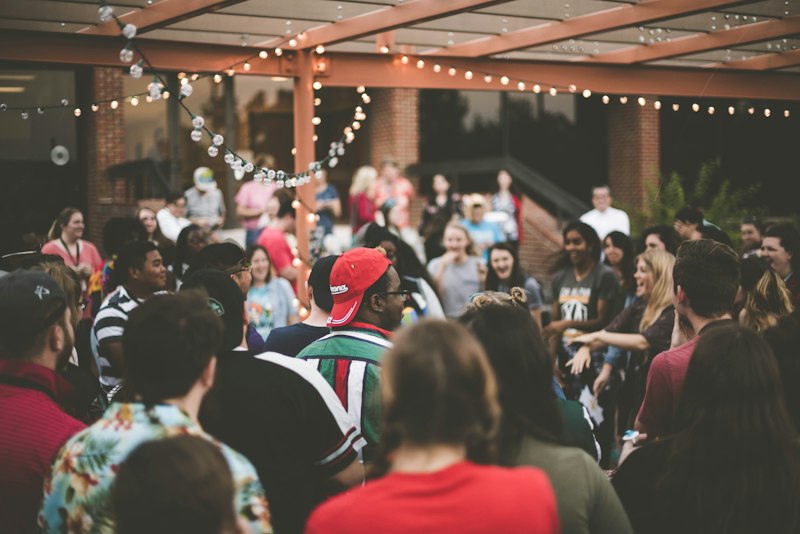
Wicker Park’s transformation from working-class immigrant neighborhood to artist enclave to affluent creative district tracks Chicago’s urban evolution. The neighborhood retained its vintage building stock while gentrification brought investment, retail sophistication, and a wealthy residential population. This combination creates a distinctive environment—authentic urban character without the rough edges that once defined the area.
The six-corners intersection of Milwaukee, North, and Damen anchors the commercial district. Milwaukee Avenue’s diagonal route creates unusual building configurations and prominent corner locations that define Wicker Park’s visual identity. Independent boutiques, record shops, vintage stores, and specialty retailers line the streets alongside acclaimed restaurants and bars that have made the neighborhood a dining destination.
Bucktown, immediately north, adds residential density and a slightly more established demographic—young families alongside the singles and couples who dominate Wicker Park. The 606 Trail, a elevated linear park converted from rail infrastructure, connects both neighborhoods and has spurred development along its route.
Creative businesses have clustered in Wicker Park for decades, initially attracted by cheap space and artistic community, now by the talent pool and cultural positioning the neighborhood provides. Design firms, digital agencies, tech startups, photography studios, and media companies occupy converted industrial spaces and vintage buildings throughout the area.
Wicker Park/Bucktown Demographics & Transportation
Understanding the market dynamics driving commercial real estate decisions
Population & Demographics
Wicker Park and Bucktown attract young, affluent, educated residents who value urban culture, walkability, and creative neighborhood character. The demographic skews younger than Lincoln Park with similar income levels.
- Combined Population 55,000+
- Median Age 32 years
- Median Household Income $105,000
- Bachelor’s Degree or Higher 75%
- Renter Occupied Housing 58%
- Median Home Value $550,000+
Business & Retail Profile
The neighborhood supports diverse creative businesses, independent retail, and one of Chicago’s strongest restaurant and bar scenes.
- Restaurants & Bars 300+
- Retail Establishments 400+
- Design & Creative Firms 150+
- Tech Startups 75+
- Art Galleries 25+
- Fitness Studios 40+
Transportation & Accessibility
CTA Blue Line
Damen and Division stations. O’Hare and Loop access. 15 min to downtown.
CTA Bus Routes
North (#72), Damen (#50), Milwaukee (#56), Division (#70).
The 606 Trail
Elevated trail connects to Humboldt Park and Logan Square. Excellent biking.
Kennedy Expressway
I-90/94 access via North Avenue. 10 minutes to downtown or O’Hare corridor.
Walkability
Walk Score 95+. One of Chicago’s most walkable neighborhoods.
O’Hare Access
35 minutes via Blue Line direct from Damen station.
Divvy Bike Share
High station density throughout both neighborhoods.
Parking
Street parking competitive. Some building parking. $150-250/month.
Commercial Property Types in Wicker Park/Bucktown
Creative office, boutique retail, and restaurant space in Chicago’s hipster heartland
Creative Office Space
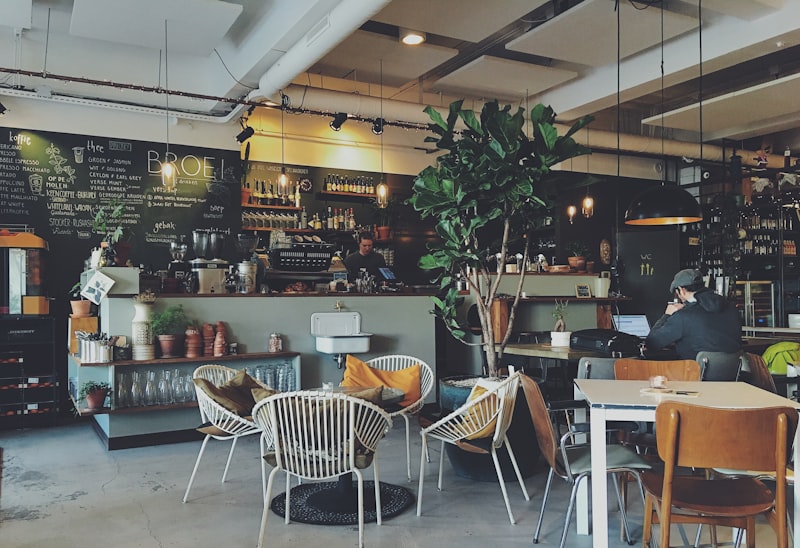
Wicker Park’s creative office inventory occupies converted industrial buildings, vintage commercial structures, and mixed-use developments. Exposed brick, timber beams, high ceilings, and industrial character define the aesthetic that attracts design firms, agencies, and tech companies.
Loft-style spaces with open floor plans suit collaborative creative work. Smaller boutique buildings offer intimate environments for agencies and studios.
Boutique Retail Space
Milwaukee, North, and Damen avenues offer prime retail exposure to the neighborhood’s affluent, trend-conscious shoppers. Independent fashion, home goods, vintage, and specialty retail concepts thrive in character storefronts with street presence.
Retail success requires merchandise and positioning matching Wicker Park’s aesthetic—mass-market chains generally don’t fit the neighborhood culture.
Restaurant & Bar Space
Wicker Park’s dining scene ranks among Chicago’s best, supporting diverse concepts from casual taquerias to acclaimed fine dining. Restaurant space requires appropriate infrastructure—ventilation, grease traps, utility capacity—and proper licensing.
Patio dining is highly valued; corner locations with outdoor seating command premiums.
Medical & Wellness Space
The affluent residential population supports medical and wellness services including dental practices, dermatology, mental health, physical therapy, and concierge medicine. Wellness concepts—boutique fitness, yoga, spa services—serve health-conscious residents.
Medical space requires appropriate zoning and accessibility compliance.
Photography & Production
Photography studios, video production facilities, and creative production spaces serve the neighborhood’s concentration of creative professionals and agencies. These spaces require high ceilings, loading access, and flexible configurations.
Some industrial buildings offer suitable space for production uses.
Coworking & Flex Space
Coworking operators serve Wicker Park’s startup community and freelance creative professionals. These spaces typically feature design-forward buildouts matching neighborhood aesthetics.
Shared creative studios and maker spaces serve artists and craftspeople.
Wicker Park Commercial Real Estate Services
Expert tenant representation for creative businesses and neighborhood retailers
Creative Space Search
Find the loft, converted industrial, or character space matching your creative business culture. We search the full Wicker Park/Bucktown inventory including off-market opportunities and emerging availabilities.
Retail Site Selection
Position your retail or restaurant concept in the right Wicker Park location. We analyze foot traffic, co-tenancy, and neighborhood dynamics to identify optimal sites for your business.
Lease Negotiation
Skilled negotiation helps creative businesses secure favorable terms in competitive locations. We leverage market knowledge to achieve appropriate rents, improvement allowances, and lease structures.
Why Businesses Choose Wicker Park
Creative Culture
Wicker Park’s indie culture and creative community attract talent who want to work in inspiring environments. The neighborhood reinforces creative brand positioning.
Walkable Neighborhood
Walk Score 95+ means employees enjoy walkable access to diverse lunch options, coffee shops, and after-work destinations. The 606 Trail adds recreation and bike commuting.
Affluent Demographics
$105K median household income and 75% college education create a sophisticated consumer market for retail, dining, and professional services.
Character Space
Vintage buildings with exposed brick, timber, and industrial character offer authentic environments that purpose-built offices cannot replicate.
Neighborhood Amenities & Creative Services
Wicker Park’s amenity density supports both business operations and the lifestyle expectations of creative professionals. The neighborhood’s dining, retail, and entertainment options rank among Chicago’s best.
Dining: Over 300 restaurants and bars ranging from acclaimed fine dining to casual neighborhood spots. The concentration includes James Beard-recognized restaurants, innovative concepts, and diverse cuisines. Coffee culture is strong with independent roasters and cafes throughout both neighborhoods.
Retail: Independent boutiques, vintage shops, record stores, and specialty retailers define Wicker Park’s retail character. The neighborhood attracts shoppers seeking unique merchandise unavailable at conventional retailers. Major intersections offer diverse retail from practical services to destination shopping.
Fitness & Recreation: Boutique fitness studios, yoga spaces, cycling, and specialized fitness concepts serve the health-conscious residential population. The 606 Trail provides running, biking, and recreation connecting to neighboring communities.
Entertainment: Live music venues, comedy clubs, and performance spaces maintain Wicker Park’s artistic heritage. Double Door’s legacy continues through various venues supporting local music. Nightlife options range from craft cocktail bars to neighborhood taverns.
Wicker Park Commercial Real Estate FAQ
Find Your Wicker Park Commercial Space
Expert tenant representation for creative businesses in Chicago’s most dynamic neighborhood—at no cost to you.
Schedule Free Consultation Call (312) 840-9002